Author: root

  • Military Patches: History, Types, and Their Meaning in Modern Armed Forces

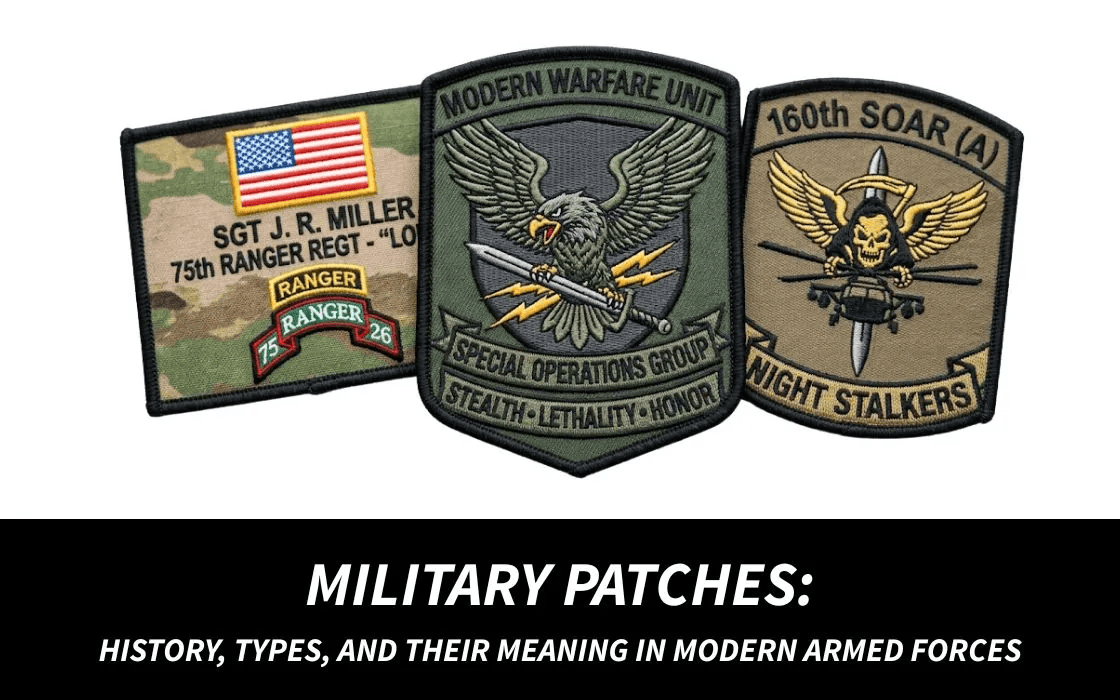
    Military Patches: History, Types, and Their Meaning in Modern Armed Forces

    Military uniforms contain colors, symbols, and badges, which display a soldier’s uniqueness, profession, and past experiences. Among the most recognizable characteristics of military uniforms are military patches. Soldiers wear embroidered badges on the sleeves, shoulders, or tactical gear of soldiers. Patches mark a soldier’s unit, rank, location of work, and skills.

    Historians trace the use of military patches back to armies that needed easier soldier identification. Patches continue to be a vital part of the armed forces and are also extremely sought after by veterans, collectors, and tactical gear enthusiasts.

    The History of Military Patches

    The military uniform badge system began in the 19th century as a convenient way for soldiers to visually identify their own groups. Many groups would use “Corps” badges on their uniforms during the American Civil War. Indeed, military insignia patches allowed for the immediate recognition of friendly troops and enemy troops in crowded and confusing man-made theaters of battle.

    World War I and the Rise of Unit Patches

    During World War I, soldiers would wear shoulder sleeve morale patches to identify their unit and division. An example is the original “Wildcat” patch created by the US Army’s 81st Division to distinguish their unit as part of the 81st Army Division.

    Evolution Through World War II and Modern Warfare

    During World War II, soldiers used unit identification symbols. Patches recognized each Army Division, Air Force Squadron, Navy Unit, etc. Fighter Pilots began using special squadron patches with inspiration from the artwork on their planes.

    Today we see tactical insignia on combat uniforms, tactical vests, backpacks, and helmets.

    Why Military Patches Matter in Modern Armed Forces?

    • Unit Identification

    A Soldier’s division, brigade, regiment, or group also go by the name of formation or unit patches. They provide the identification for the group or unit that a soldier is a member of in the military hierarchy.

    • Rank and Skill Recognition

    Patches represent a soldier’s rank or skill, as well as soldier’s morale and identity within the unit. To recognize the soldier’s recognition of an operation, campaign, or deployment in the unit’s history, patches are used.

    • Morale and Identity

    The team uses morale patches to create better team spirit and team unity. The patches which soldiers wear on tactical gear have designs, slogans and distinct artwork.

    • Commemoration of Missions

    Military units create extraordinary patches which honor their meaningful missions, campaigns and deployment operations. The patches serve as historical documentation of military service and their achievements.
    Main Types of Military Patches

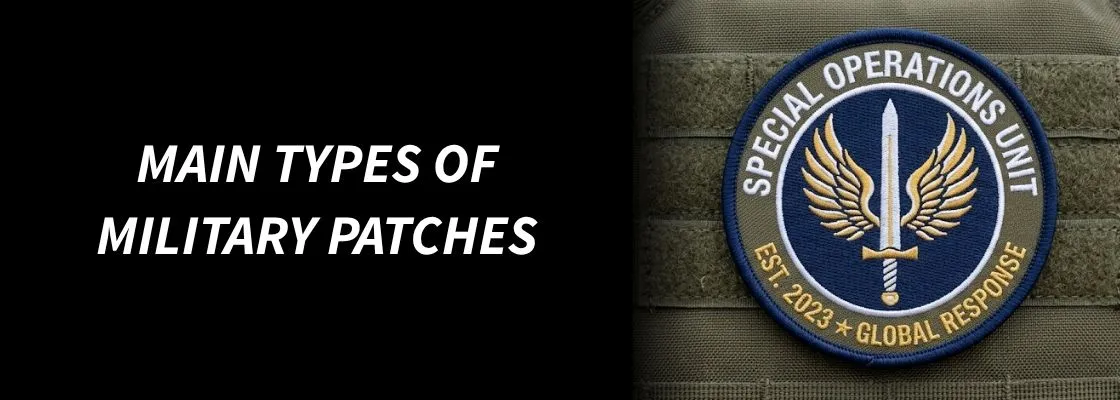
    Main Types of Military Patches

    1. Unit Patches

    Worn on the upper arm (wearing side), and symbolizes the specific division, squad, ​or​ battalion of a soldier (e.g. airborne, infantry).

    1. Rank Patches

    Signifies how well a soldier can lead. Used by both the Army and the Navy, these patches are found in both army-style (i.e., brass insignias) as well as naval-style (i.e., epaulettes) uniforms.

    1. Specialty or Skill Patches

    Implies special training received by a soldier that exhibits an individual area of ability (i.e., airborne, special forces, medical corps, intelligence).

    1. Campaign and Deployment Patches

    Soldiers who participate in combat or military actions during war also get a combat patch.

    1. Morale Patches

    Morale patches are informal patch designs that demonstrate team spirit and humor. They are usually attached to clothing using Velcro.

    The Military Patch Meaning

    Common Symbols

    • Stars – Represent achievement, rank or national identity
    • Swords – Represent strength and readiness to fight.
    • Eagles – Represent honor, power, and protection.
    • Shields – Represent defense and safety.

    Patches also contain meaning in their colors:

    • Red represents courage and sacrifice
    • Blue stands for loyalty
    • Gold represents excellence.

    How Military Patches Are Made Today?

    Current practices for creating military patches use modern methods to produce military patches. The production process utilizes embroidery, woven fabric and PVC rubber materials to create many products.

    The majority of patches use Velcro support which assists users to attach and detach them with ease.

    Military Patch Material Comparison

    Material Durability Weather Resistance Design Precision Best Use Case
    Embroidery High Moderate Good Traditional military patches, uniform
    PVC Very High Excellent High Tactical gear, outdoor environments
    Woven Medium-high Good Very High Detailed logos, small text designs

    Quality Checklist for Military Patch Manufacturing

    A couple of items you can check when reviewing a potential military patch supplier include:

    • Stitching Quality

    The stitching should look good, be even, be tight and have no loose threads.

    • Color Fastness

    Patches must maintain their original color after extended exposure to the sun and exposure to sweat and washing.

    • Backing Type

    Selecting the correct backing for the intended use of the patches can also be important.

    • Design Clarity

    The symbols, text and shapes on the patches should be clear and easy to read.

    How to Choose a Quality Supplier for Patches?

    When looking to buy a patch, select suppliers that offer the following services:

    • Custom design assistance
    • Quality embroidery technology to produce patches
    • Variety of material
    • Definition of production timelines
    • Samples of patches have been produced before making a large order
    • Manufacturers that have experience in producing patches.
    Military Patches Beyond the Battlefield

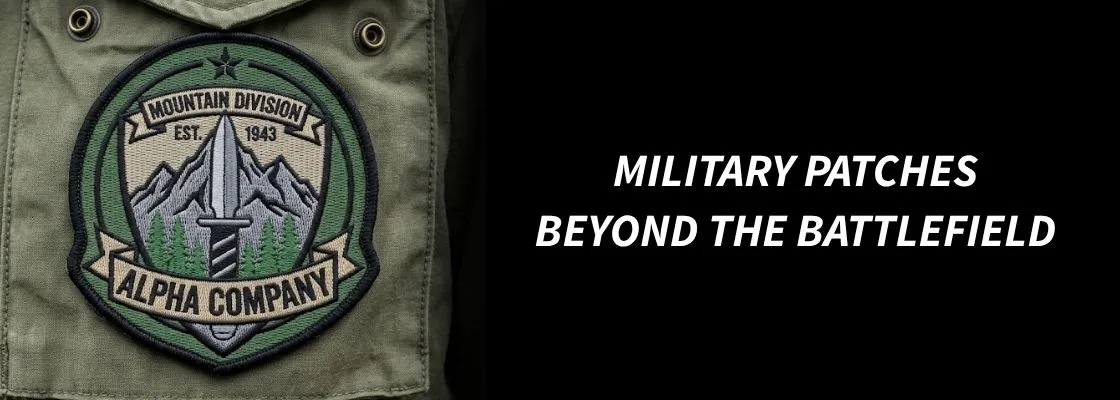
    Military Patches Beyond the Battlefield

    People also use military patches outside active military service. Many people collect patches as historical items.

    Veterans, tactical gear fans, and law enforcement officers use military patches. Collectors highly value rare historical patches.

    How to Identify an Authentic Military Patch?

    Military patch collectors pay close attention to quality by reviewing the stitching, colors, and shapes used to create patches. In some instances collectors check patches, find out which unit produced them, and their date of production or deployment dates.

    Many collectors do research on military units’ histories, their era of production and their deployment history before they make a large purchase of a rare or valuable military patch.

    Collecting military patches is a common pastime for people who are interested in history and veterans. People will look for patches from historic units and wars or patches from unique missions; there are collectors who specialize in the acquisition of rare patches.

    Some combat morale insignia gain high value because of limited production and historical importance.

    Wrapping Up

    Military patches are one of the most recognizable components. They carry a significant amount of meaning for each unit now, showing their pride in the unit and the unit’s accomplishments or skill or history or all three.

    For professional results, look for suppliers that offer accurate detailing, strong fabric quality, and reliable production standards. Order your custom military patches today to ensure your unit, organization, or team receives durable, high-quality patches that represent identity, pride, and professionalism.

    FAQs

    1. What are military patches used for?

    The purpose of military patches is to provide information about a soldier’s unit, rank, qualifications and mission history. They are a way to visually express a soldier’s honor, service and accomplishments.

    1. Are military patches collectible?

    Yes, military patches are popular collector items, especially rare or historic ones. Collectors often search for patches from old military units, wars, or special missions, and some rare patches can be valuable.
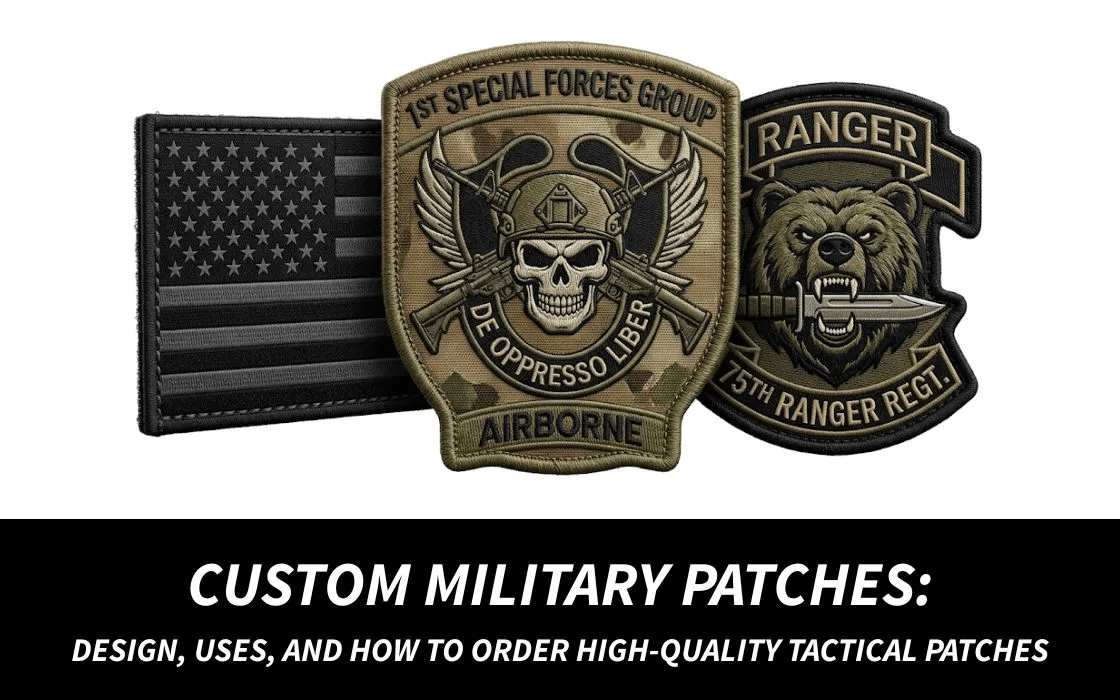
  • Custom Military Patches: Design, Uses, and How to Order High-Quality Tactical Patches

    Custom Military Patches: Design, Uses, and How to Order High-Quality Tactical Patches

    Custom military patches serve as professional badges. Military staff, tactical teams and organizations use them to show their organizational uniqueness, mission objectives and accomplishments. Usually, military staff wear them on uniforms, backpacks and tactical equipment.

    Defense organizations such as law enforcement units, outdoor adventure teams and security agencies also use military-style patches.

    Custom military patches have customized design and professional outlook. At present, modern patch manufacturing uses high-quality embroidery with PVC materials and strong stitching methods.

    The guide provides information about custom patch design and includes details about patch applications and ordering processes. Let’s explore in detail.

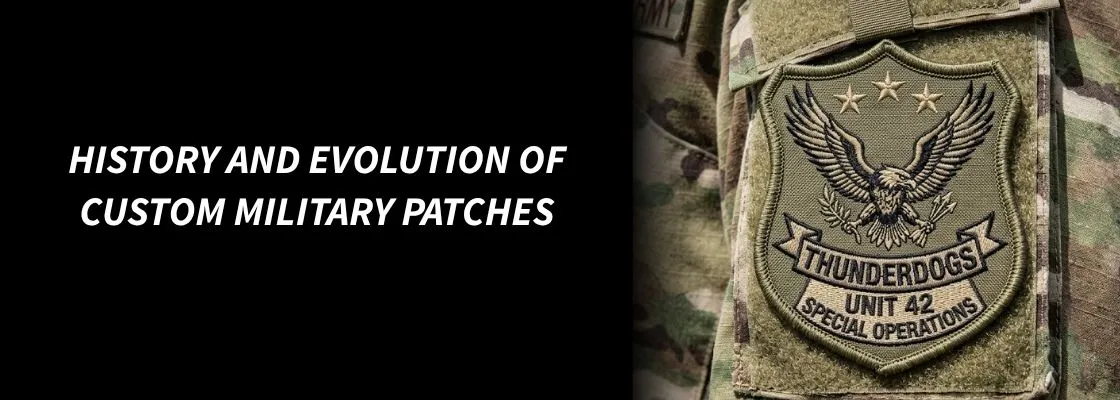
    History and Evolution of Custom Military Patches

    History and Evolution of Custom Military Patches

    The custom military patches became prevalent during major wars when military units needed unique identity symbols.

    Soldiers in early battles used basic insignia to recognize their military units. Moreover, military historians consider patches as vital artifacts that maintain unit traditions and operational history.

    Today, Patch design is more about developing organized and symbolic patterns.

    Tactical Patch Industry Growth

    The global tactical gear market continues to grow in 2026 because people want to buy customizable morale patches and insignia designs. This pattern will persist because military units, law enforcement agencies, airsoft teams, outdoor fans and collectors show enhanced interest in high-quality and durable tactical patches.

    Patch Manufacturing Technology

    The patch manufacturing process of today employs advanced methods which include high-density embroidery, woven stitching and PVC molding. With the help of the latest technology, manufacturers create patches which maintain their original appearance, endure moisture and physical damage all through the use irrespective of the time. Technology allows businesses to check their color, shape and symbol designs using 3D mockups or digital samples.

    Design Elements of Custom Tactical Military Patches

    Symbols

    • Eagles symbolize strength and authority
    •  Stars show achievement and leadership
    • Swords show combat readiness
    • Shields serve as protection

    Colors

    • Red represents courage and sacrifice
    • Blue represents loyalty and trust
    • Gold stands for honor and excellence
    • Black displays tactical professionalism

    Text Design

    • Unit names
    • Mission codes
    • Organization logos

    Embroidery achieves better results and clear visibility when designers choose simple designs.

    Professional manufacturers offer digital mockups before production.

    Types of Custom Military Patches

    Tactical gear buyers and organizations can find custom military patches in different styles.

    Types of Patches:

    1. Unit Identification Patches – For membership in a security, military, or defense organization.
    2. Morale Tactical Patches – Used to create or boost team spirits. Frequently seen within the outdoor and tactical gear user community.
    3. Campaign and Mission Patches – Initiated for a specialized operation, training program, or event.
    4. PVC Tactical Patches – Made from a very flexible rubber-like material, best for high-stress environments.
    5. Velcro Backed Patches – Easy to attach and remove.

    Quality Standards for Custom Tactical Patches

    When assessing custom tactical patches, there are a number of key quality traits, including:

    • Color fade resistant embroidery
    • Quality stable thread stitches
    • Can resist environmental stress
    • Reproduce symbols with a high level of accuracy

    Reliable manufacturers maintain strict processes to assure incredible experience for customers.

    How To Evaluate Patch Manufacturers?

    When evaluating manufacturers, buyers should consider:

    •  The quality of materials
    • The reliability to the original design during the sewing process
    • Experience in producing patches and the variety of available options for customization
    • Review of the manufacturer’s portfolio
    • Customer feedback

    A knowledgeable and professional manufacturer will offer customers with digital design previews, straight-forward pricing and provide steady manufacture specifications.

    How to Order High-Quality Custom Military Patches?

    Step 1: Choose the Style for the Patches

    Select whether to have embroidery, woven, or PVC patches made.

    Step 2: Finalize The Color and Symbols

    Use minimal military style design elements.

    Step 3: Select The Type of Backing

    Velcro, heat seal or sewing.

    Step 4: Check The Quality of Manufacturing

    Ensure the patches have:

    • Precise stitch work
    • Clean embroidery
    • Good strength material for long service life
    • Solid edges

    A specialist manufacturer will typically offer you a digital preview of your design before production starts. The end result is a long lasting and more professional looking product.

    Custom Order Mistake Avoidance

    Many customers make mistakes when ordering patches by picking complex styles or inaccurate sizes for patches which result in worse quality embroidered products. Keeping the design plain will result in better quality embroidery for both you and your customers. To avoid expensive reworks or delayed production times, always verify color collections, type of supporting material and any production samples, before placing your order.

    Quality vs. Price Tradeoff

    Quality vs. Price Tradeoff

    Buying custom patches with the lowest price could mean compromising on overall quality. Custom patches manufactured using high quality thread, excellent material and embroidery will typically be made better.

    Collector Value Economy

    The collector value economy for patches that are military and/or tactical in nature, typically increase in value due to:

    • Historical significance
    • Limited quantity produced
    • Specific mission/unit connection
    • Rare and tied to an important operation
    • Discontinued unit

    Conclusion 

    Custom military patches are a source of pride, individuality, and achievement. Providing an outstanding addition to military units, security teams or collectors, military patches continue to serve as a strong symbol of the mission of the organization, its brand, and its legacy in modern culture.

    If you are interested in creating your own custom military patches, please contact an expert eCommerce or Tactical Product Development Company and begin developing high-quality patches for your organization.

    FAQs 

    1.  How long do custom military patches last?

    High-quality custom military patches can last anywhere from 2-to-5 years or longer. It depends on the usage, material, number of washed, and environmental exposure.

    • Are Velcro patches better than stitched patches?

    Velcro military patches offer a simple way to attach and detach. Whereas, stitched military patches provide better support and durability.

    • What is the best patch material for outdoor use?

    PVC military patches are usually the best for outdoor applications because they are water-proof and weather-proof. They will hold up under the most extreme conditions.

    1.  How do I design a custom military patch?

    When developing a design for a military patch, it is best to begin with simple symbols, readable text, and a good balance of colors. You can use professional software to craft your military patch or request a factory-provided digital mock-up.

  • The Benefits of Using Custom Patches for Clothes Instead of Printing

    The Benefits of Using Custom Patches for Clothes Instead of Printing

    Walk through any clothing store today and you’ll notice something interesting. Logos everywhere. Designs everywhere. Some printed, some stitched, some raised off the fabric.

    But the pieces that really catch attention? Usually the ones with patches.

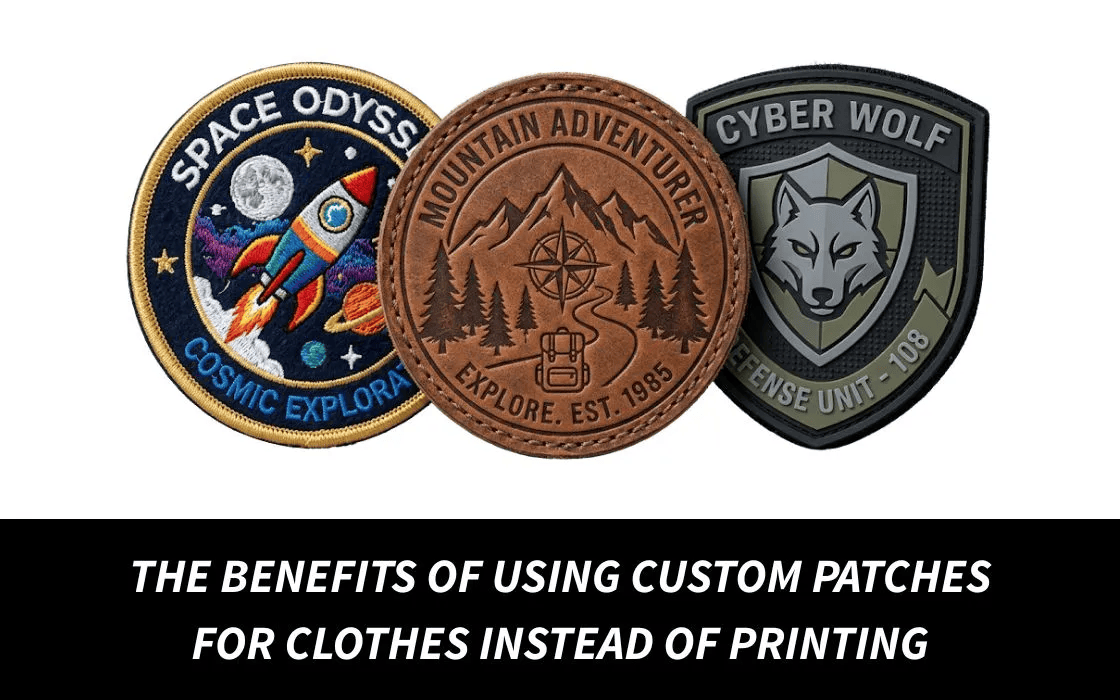
    There’s a reason brands, clubs, and businesses keep choosing custom patches for clothes instead of simple printing. Patches feel different. They look stronger. They last longer too.

    Printing has its place, sure. But when someone wants clothing that holds up and actually looks premium, patches often win.

    Let’s break down why.

    They Last Much Longer

    Printed designs fade. It happens slowly at first. A few washes, colors still look fine. Then the cracks start showing. Edges peel. The print looks tired.

    Patches behave differently.

    custom patches for clothes are stitched with thread and backed with durable material. That structure makes them tough. Washing machines, dryers, daily wear… patches handle it much better.

    Think about uniforms or biker jackets. Those patches stay on for years. Sometimes decades.

    Printing rarely survives that long.

    That’s one of the biggest reasons businesses lean toward custom patches for clothes. They want their logo looking sharp for a long time, not a few months.

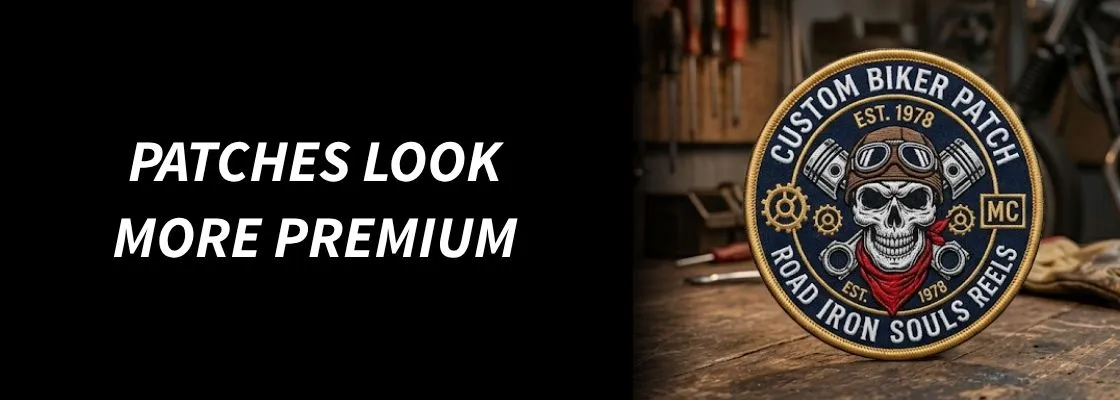
    Patches Look More Premium

    Patches Look More Premium

    Flat printing can look nice, but it sits quietly on the fabric. Nothing special about it.

    Patches stand out. Literally.

    Embroidery gives custom patches for clothes texture and depth. You can feel the stitching when you run your hand across it. Light hits the threads differently too, which makes the design pop a little.

    It’s a small detail but people notice.

    That’s why brands often put patches on jackets, hats, and hoodies. The garment instantly feels more high-end.

    Not fancy in a loud way. Just solid. Well made.

    Perfect for Uniforms and Workwear

    Companies care a lot about appearance. Staff uniforms represent the brand every single day.

    Printing can work on t-shirts, sure. But it doesn’t always hold up when employees wear the same shirts week after week.

    Custom patches for clothes solve that problem.

    The patch keeps its shape and color. The stitching stays intact. Even after dozens of washes, the logo still looks professional.

    And if the uniform is thick… like a work jacket or heavy shirt… patches actually look better than printing.

    That’s why restaurants, construction companies, and service businesses use them so often.

    They Work on More Fabrics

    Printing likes smooth fabrics. Cotton. Some polyester blends. That’s about it.

    But clothing doesn’t stop there.

    Denim jackets. Canvas bags. Leather coats. Thick work shirts. These materials don’t always cooperate with printed graphics.

    Custom patches for clothes don’t have that limitation.

    You can sew a patch onto almost anything. Denim, canvas, leather, fleece… it all works. That flexibility opens up a lot of design options for clothing brands and organizations.

    Instead of worrying about fabric compatibility, they just design the patch.

    Problem solved.

    Easy to Update Later

    Here’s something interesting.

    If a company prints its logo on shirts and then updates the design later, those shirts become outdated. New logo means new clothing order.

    That gets expensive.

    With custom patches for clothes, it’s different. Some patches can be removed and replaced. Velcro patches make this even easier.

    Military units and tactical teams use this approach all the time.

    If the logo changes or the role changes, the patch changes. The clothing stays the same.

    Simple idea. Saves money too.

    Patches Tell a Story

    Printing feels like decoration. Patches feel like identity.

    There’s a reason clubs love them. Motorcycle clubs, sports teams, scouts, community groups… all of them use custom patches for clothes.

    Each patch represents something. Membership. Rank. Achievements. History.

    You don’t really get that same feeling with printing.

    A patch becomes a badge. Something people wear proudly.

    And that emotional connection matters more than people realize.

    Fashion Loves Patches

    Streetwear brands figured this out years ago.

    They started adding custom patches for clothes to hoodies, denim jackets, caps, backpacks. Suddenly the clothing felt more unique. Less mass-produced.

    Some brands even release limited patch designs. Fans collect them like badges.

    Printing rarely creates that kind of excitement.

    Patches feel more personal. Like a small piece of art stitched onto the garment.

    And people love that.

    They Handle Detailed Logos Well

    A lot of logos contain borders, shapes, letters, and color sections. Printing sometimes blurs those details, especially on textured fabrics.

    Embroidery handles those shapes differently.

    Threads build the design piece by piece. Borders stay sharp. Letters stay clear.

    That’s why custom patches for clothes often look cleaner when the design has bold outlines or structured shapes.

    A good patch keeps the logo recognizable from a distance.

    Which is exactly what branding should do.

    Quality Makes a Big Difference

    Of course, not every patch is made the same.

    Cheap patches can fray or lose color after heavy use. Good ones stay strong for years.

    High-quality custom patches for clothes use durable threads, solid backing materials, and tight embroidery. That combination keeps the patch looking clean even after constant wear.

    This is where experienced manufacturers matter.

    If you’re planning patches for a brand, business, or clothing line, working with professionals makes the process easier. Design support, material choices, proper stitching… all of it adds up.

    You can explore custom patch options at
    Quality Patches

    Many organizations rely on them when producing custom patches for clothes that need to last.

    Patches Make Clothing Memorable

    Patches Make Clothing Memorable

    A printed shirt might get worn a few times. Then it disappears into the closet.

    A jacket with a patch? That’s different.

    People keep those pieces longer. They mean something. Sometimes they become favorites.

    That’s the quiet power of custom patches for clothes.

    They turn ordinary garments into something people actually connect with.

    Wrap up!

    Printing works for quick designs and simple graphics. But when durability, texture, and brand identity matter, patches offer clear advantages.

    Custom patches for clothes last longer. They look more professional. They work on more fabrics. And they carry a sense of identity that printing rarely captures.

    For businesses, clubs, and clothing brands, patches often become part of the product itself.

    If you’re thinking about creating patches for uniforms, merchandise, or apparel, you can explore options at
    Quality Patches

    A well-made patch doesn’t just decorate clothing. It becomes part of it. Sometimes the most memorable part.

  • Custom Lapel Pins: A Complete Guide to Designing High-Quality Pins for Brands, Events, and Organizations

    Custom Lapel Pins: A Complete Guide to Designing High-Quality Pins for Brands, Events, and Organizations

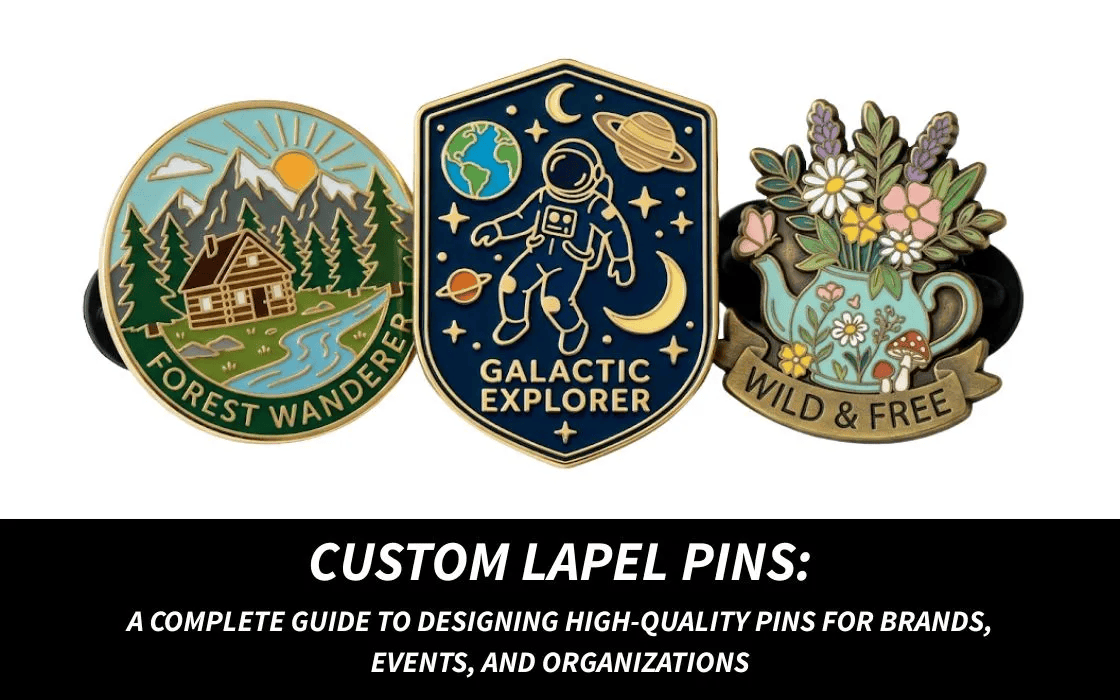
    Custom lapel pins are small, decorative pin-style accessories. They can be made with a logo, a symbol, or a message. A person may wear a lapel pin on their clothing, uniform, bag, or any other type of accessory to symbolize their identity or support a cause.

    Today, many businesses, schools, organizations, and collectors use lapel pins to market their products through branding and awareness events, as well as for recognition and promotion of their products. Due to their lower cost and ease of delivery, lapel pins have become a very popular marketing tool.

    In this guide, we will provide you with information about lapel pin design, materials and manufacturing procedures and how to order high-quality custom lapel pins for professional use.

    History and Evolution of Lapel Pins

    History and Evolution of Lapel Pins

    The practice of using lapel pins began in the military to display commitment, rank, and group individuality. Over time, they became more than just identification tools.

    All through the 20th century, businesses and event planners made most of the lapel pins in their marketing and advertising strategies.

    At present, lapel pins are extensively used by businesses for brand recognition, to honor employee accomplishments, denote membership, and acknowledge rare collectible items.

    Custom Promotional Product Market Growth (2026 Context)

    In 2027 and onwards, the custom promotional product industry is expected to grow to over $120 billion globally. We can observe a steady increase in sales over the next five years.

    Fact: Collectors and fan communities show considerable interest in unique and/or limited edition lapel pins as well.

    Why Do Businesses and Organizations Use Custom Lapel Pins?

    As per research, promotional products improve a client’s memory of a brand by about 80%. This means that promotional lapel pins can be profitable promotional products for your company’s events, tradeshows, or a situation where you wish to market them to your employees, partners, and customers.

    Types of Custom Lapel Pins 

    • Soft enamel badges have a raised metal edge with colorful enamel.
    • Hard enamel badges have a smooth, polished finished look.
    • Die struck badges are designed without color by stamping designs into raw brass.
    • Printed badges are used when customers need very detailed logos or artwork.

    Materials Used in Custom Lapel Pins 

    The majority of custom lapel pins are manufactured from brass, iron, zinc alloy, and stainless steel. In addition, pins can be coated with either gold, silver, nickel, or antique plating to achieve different aesthetic styles.

    Patch Manufacturing Process 

    1. 1st Step: Digital design work
    2. 2nd Step: Preparation of a custom mold or die
    3. 3rd Step: Stamping of the metal
    4. 4th Step: Enamel color filling, polishing, plating and finishing
    5. 5th Step: Quality inspection

    The production process in today’s market uses modern day equipment such as accurate machines and AI-driven design tools.

    Key Design Elements for High-Quality Lapel Pins

    Color balance and contrast help to enhance visibility and readability of the designs. The actual size of the pin, alongside the durable metal finish, is another factor when designing lapel pins. Many professional manufacturers will create a digital mock-up before manufacturing pins to allow you to confirm your design.

    Lapel Pin Size Guide 

    Smaller designs are usually 0.75 inches. The lapel pins that are 1 inch are the most common size. The 1.25 and 1.5 inch pins are useful for items like statement pieces or collectibles.

    Types of Lapel Pin Backings 

    To be securely worn, lapel pins may be attached in more than one way.

    For example: Butterfly clutch, rubber clutch, magnetic backing, safety pin backing, locking clutch.

    Some attachment types will provide high levels of security while others will provide a lower level of security. The best attachment style for your pin will eventually depend on the material of the clothing, the size of the lapel pin and the number of times the pin is used.

    Common Uses of Custom Lapel Pins 

    Most commonly, businesses use custom lapel pins for business branding and for employee recognition. For political campaigns, military service award pins, awareness programs, custom pins are of a great advantage. A few schools and universities also utilize custom lapel pins. for schools and custom pins for universities. Among fans and collectors, lapel pins are often seen as a form of merchandise or souvenirs.

    How to Choose a Reliable Lapel Pin Manufacturer?

    1. Look for manufacturers that have a lot of experience both in production and with design.
    2. Consider the quality of the materials, customization possibilities, and the opinions of other customers.

    A reputable manufacturer will typically offer digital samples or physical prototypes first. 

    Cost Factors and Pricing for Custom Lapel Pins 

    The price of custom lapel pins depends on size, production material, enamel type, plating type, amount ordered, and complexity of the design. A 1-inch soft enamel lapel pin generally costs between $3 and $4, while larger bulk orders of 1,000 pins cost $0.80 to $1.40 each. Moreover, most manufacturers will also charge a one-time set-up fee between $50 and $100 for creating the mold.

    Quality Checklist Before Ordering Custom Pins 

    Prior to making a purchase order for custom lapel pins, buyers should verify multiple quality factors such as:

    • Ensure the thickness of the metal.
    • Check the quality of the enamel finish.
    • Validate colors and durability of plating and the strength of pin back attachment.
    • Review samples or mock-ups to ensure that the finished product will be professional in appearance and will last for a long time.

    Common Mistake When Ordering Custom Pins 

    Most customers forget to look at their mockups before they approve them or they choose a cheaper option than a quality one. Always check your samples before you give the go ahead to produce your pins.

    Future Trends in Custom Lapel Pins

    Future Trends in Custom Lapel Pins

    As time goes on, the custom lapel pin industry will continue to progress, with new trends emerging. Some of the featured trends include using eco-friendly materials to manufacture their pins, developing limited edition collectible pins and promoting brand identification through the use of products made by Influencers.

    Modern day manufacturers leverage advanced digital design programs to develop a greater level of precision in design, as well as greater innovation and aesthetic value.

    Conclusion – Why Custom Lapel Pins Matter?

    Custom Lapel Pins are valuable for a number of reasons. They serve as a means of brand recognition and symbolic presentation for organizations.

    So, if you’re planning to buy custom pins, work with an experienced manufacturer who can offer you attractive designs, durable materials, and reliable production quality.

    FAQs 

    • How much do custom lapel pins cost?

    Custom lapel pins usually cost $0.80 to $4 per pin. The cost of a custom lapel pin depends on size, material, enamel type, and order quantity.

    • How long does it take to manufacture lapel pins?

    Usually, the production of custom lapel pins usually takes 10–20 business days after the design is approved. Simple designs and standard quantities may be completed in 10–12 days. Whereas complex designs or very large orders may take 3–4 weeks.

    • What size lapel pin is most popular?

    The 1-inch lapel pin is the most popular size because it offers the best balance between visibility and comfort.

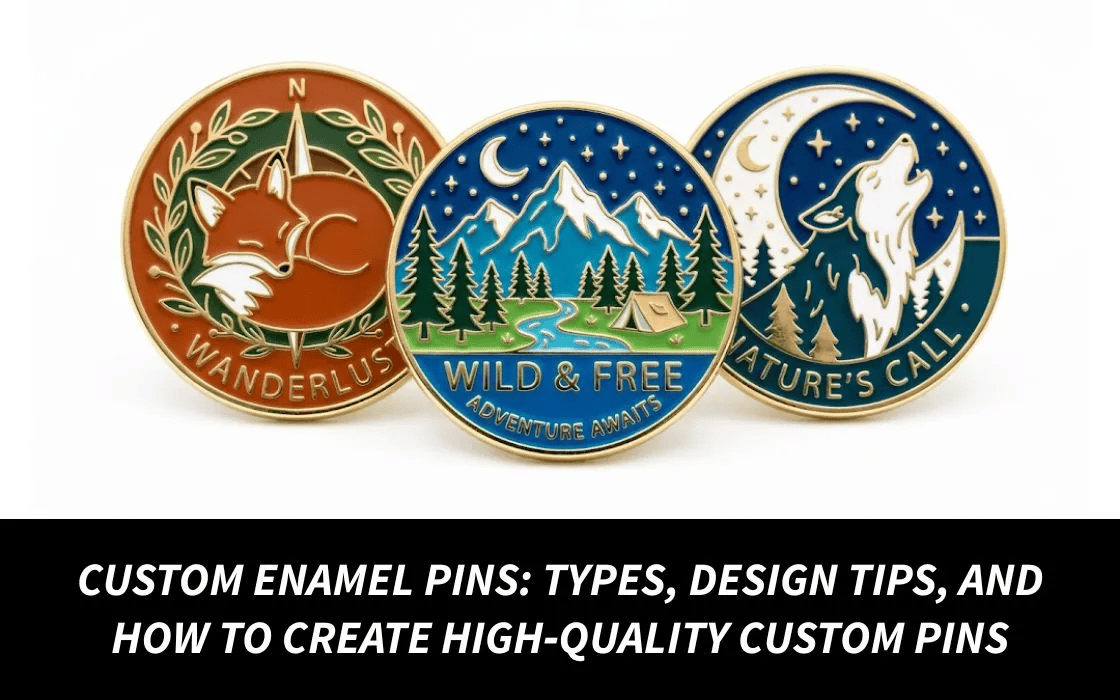
  • Custom Enamel Pins: Types, Design Tips, and How to Create High‑Quality Custom Pins

    Custom Enamel Pins: Types, Design Tips, and How to Create High‑Quality Custom Pins

    A custom enamel pin is a crucial element of brand representation, creative inspiration to fans and collectors, and growing in importance as a collectible item in 2026 and onwards.

    Custom merchandise has become a vast industry. Today, enamel pins can be found in almost every business setting, from trade logos to sports events to everyday life.

    Pins offer more than just lovely designs; they provide the emotional link that makes pins more than just accessories.

    This guide will cover the fundamentals of creating unique and eye-catching enamel pins, how to design and produce, and how to order enamel pins that can help brands stay ahead of the trend.

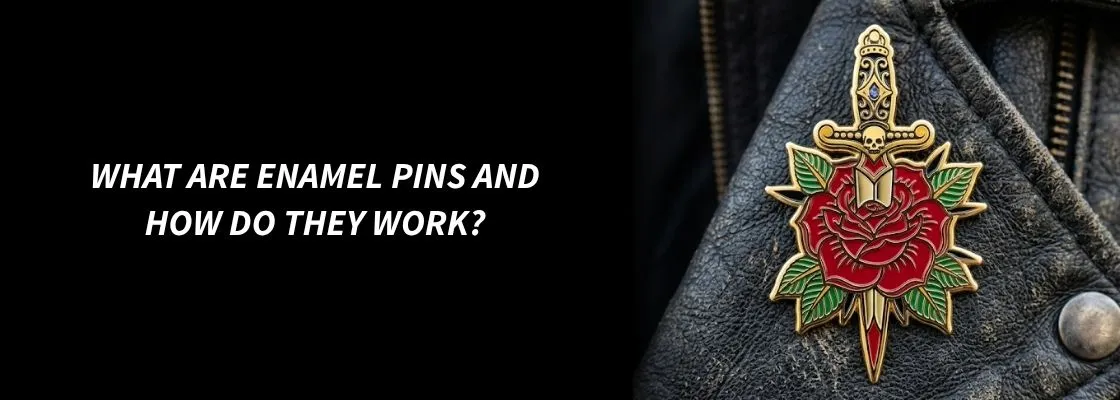
    What Are Enamel Pins and How Do They Work

    What Are Enamel Pins and How Do They Work?

    Enamel pins are made from metal and have a startling color finish and design offering long-lasting appeal. Each enamel pin has a metal base, color fill, plated surface for aesthetics, and a safety hook to secure the pin to your clothing or accessories.

    The distinctive design and durability of enamel pins make them excellent choices for a promotional item. The three types of standard enamel pin backs are butterfly clutch, rubber clutch, and locking pin backs.

    Each of these has a safety hook that offers a different level of security and holds the pin in place while being worn.

    With the increasing interest in collecting collectible items, enamel pins continue to provide a high-impact and low-cost way to create an emotional effect on consumers.

    Main Types of Custom Enamel Pins

    Pin Type Description
    Soft Enamel Pins Raised metal outlines with recessed enamel create a textured, tactile finish.
    Hard Enamel Pins Smooth, polished surfaces for a premium look and feel.
    Die-struck Pins No enamel fill—metal-only designs exude elegance.
    Printed Pins High-detail digital printing captures complex graphics perfectly.
    3D Molded Enable Pins Sculpted designs add depth and intricate details.
    Glow-in-the-dark/Speciality Materials UV reactive or luminous effects are trending in 2026, appealing to collectors.

    Enamel Pin Design Tips – How to Create Pins That Stand Out?

    • Keep designs simple and clear: Small pins should be of unique and easily recognized shapes.
    • Balance colors with contrast: High-contrast colors provide more visibility and aesthetic appeal. 
    • Use symbolism and narrative: Use any elements which reflect your branding and/or values, as they create emotional resonance.
    • Provide text: Text should be readable in physical form. (should be printed in a very small size)
    •  Examine shape and size: Standard (1”-1.5”), novelty, and custom shapes can distinguish your pin. 
    • Make use of mockups to evaluate: Using digital mockups will assist in finding any design flaws before actual production.

    How Custom Enamel Pins Are Made?

    1. Digital Design & Artwork Preparation: Vector files with accurate color codes and clean layouts.
    2. Metal Die Creation: Custom mold or die for stamping the pin shape.
    3. Metal Stamping: Base metal is shaped according to design.
    4. Enamel Filling: Soft or hard enamel is carefully applied. Advanced producers control enamel density to prevent color bleed.
    5. Plating & Polishing: Gold, silver, or vintage finishes improve durability and appearance.
    6. Quality Control: Look at color feel, plating wear resistance, and secure pin backs.

    Size and Backing Guide

    Typical Sizes:

    • 0.75″ – Simple pins
    • 1″ – Most popular and flexible
    • 1.25–1.5″ – Statement pins

    Backing Types:

    • Butterfly clutch
    • Rubber clutch
    • Locking clutch
    • Magnetic backing – increasingly searched in 2026
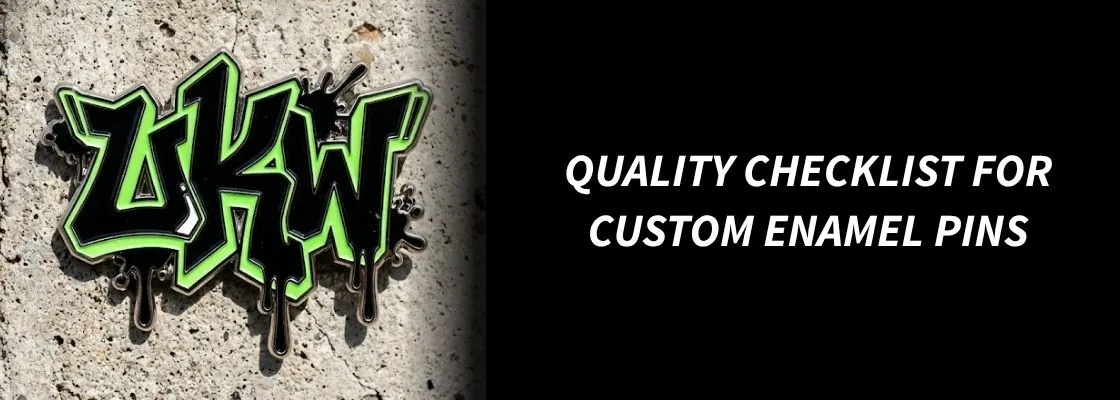
    Quality Checklist for Custom Enamel Pins

    Quality Checklist for Custom Enamel Pins

    Before ordering, check:

    • Metal thickness: Ensures durability
    • Enamel finish: Smooth, no bubbles or color bleed
    • Plating finish: Uniform, polished, and wear-tested
    • Attachment strength: Safe backing to prevent loss
    • Color accuracy: Matches your brand palette accurately
    • Proof or mockup preview: Confirm design before production

    Pricing and How to Order Custom Enamel Pins?

    Pricing Factors: Size, material (soft vs. hard enamel), plating, quantity, and custom shapes.

    Estimated Price Ranges (per 100 pcs):

    • 1″ soft enamel: $2–$3 each
    • Hard enamel: $3–$5 each
    • Die-struck or specialty pins: $5–$8 each

    Ordering Steps: Organize vector files → Request quotes → Review mockups → Approve production → Receive pins.

    Use Cases – How Brands and Communities Use Enamel Pins?

    Enamel pins are versatile:

    • Brand Merchandise: Logo or slogan pins
    • Event Souvenirs: Concerts, conferences, and company events
    • Team Recognition: Awards or morale boosters
    • School Clubs & Organizations: Custom pins for members
    • Collectors & Fandom Merch: Limited edition pins for fan communities
    • Promotional Giveaways: Appealing marketing tools

    To Wrap Up

    Custom enamel pins in 2026 combine branding, collectability, and quality expertise. By following design, production, and quality tips, your pins can stand out in a crowded merchandise market. Whether for fan communities, business identity, or events, finest pins never let you forget them!

    Ready to design high-quality custom enamel pins? Contact a trusted pin manufacturer today to bring your ideas to life with expert mockups, secure plating, and collectible appeal.

    FAQs

    1. What are enamel pins made of?

    Metal base with enamel fill and plated finish.

    1. What size should I choose?

    1″ is standard; smaller for subtle, larger for statement pins.

    1. How long does production take?

    Typically, 10–20 business days after design approval.

    1. Are enamel pins good for branding?

    Yes, they boost overall product view and establish emotional connection.

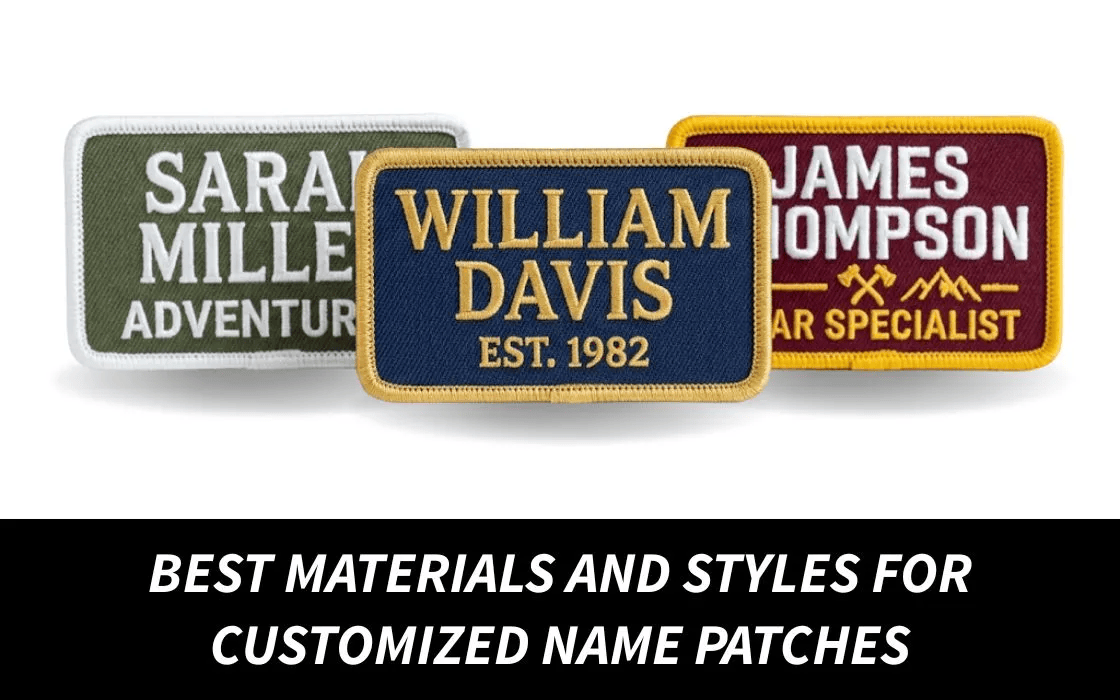
  • Best Materials and Styles for Customized Name Patches

    Best Materials and Styles for Customized Name Patches

    Not all name patches are the same.

    Some look clean and sharp. Others feel cheap after a few washes. Some hold up for years, some don’t even last a season.

    And most of that comes down to one thing… the material and the style you choose.

    If you’re planning to order customized name patches, this part matters more than people think. The wrong choice can mess up the whole look. The right one? Makes everything feel premium, even if the design is simple.

    Let’s break it down in a way that actually helps.

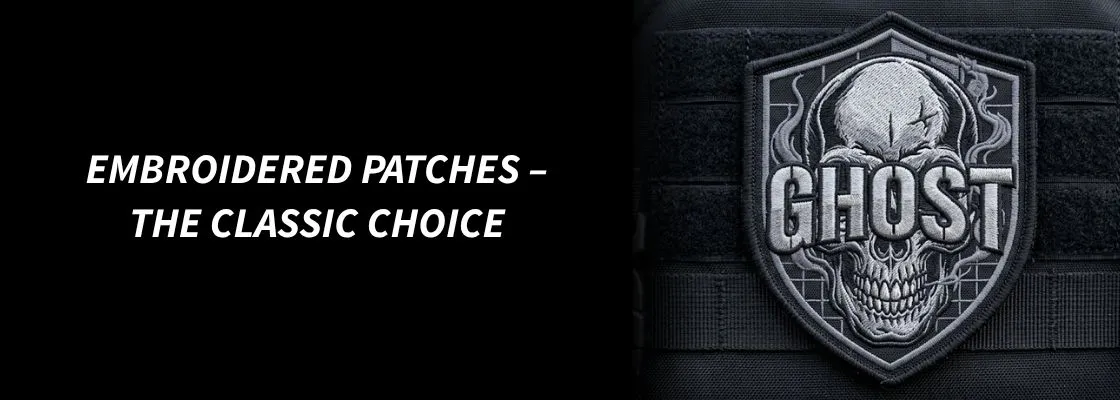
    Embroidered Patches – The Classic Choice

    Embroidered Patches The Classic Choice

    This is the one most people picture first.

    Threads stitched on fabric. Slightly raised. You can feel the texture when you touch it.

    customized name patches made with embroidery look strong. Professional. They work really well for uniforms, workwear, even casual clothing.

    They’re also durable. You can wash them again and again, they hold up pretty well. That’s why businesses use them a lot.

    Only thing… very tiny text doesn’t always come out perfect. But for names? Usually works great.

    If you want something safe, reliable… embroidery is it.

    Woven Patches Clean and Sharp

    Now if your design has smaller text or finer details, woven patches do a better job.

    They use thinner threads, so the surface looks smooth. Not raised like embroidery. More flat, more precise.

    For customized name patches, this is perfect when:

    • Names are small
    • Fonts are thin
    • You want a cleaner, modern look

    They don’t have that “thick” feel though. So if you want texture, embroidery wins. If you want clarity, woven is better.

    Simple trade-off.

    PVC (Rubber) Patches Tough and Bold

    These feel completely different.

    No threads. Instead, soft rubber material with a 3D look.

    Customized name patches made with PVC are super durable. Waterproof too. Rain, sweat, rough use… they handle it easily.

    That’s why you see them on:

    • Outdoor gear
    • Gym bags
    • Tactical uniforms

    They look bold. A bit more modern, a bit more rugged.

    But for soft clothing or formal uniforms… not always the best fit.

    Leather Patches Premium Feel

    Leather patches hit different.

    They don’t try too hard. Just sit there and look premium. Clean. Minimal.

    You’ll usually see them embossed or engraved instead of stitched.

    For customized name patches, leather works great when you want:

    • A high-end look
    • Minimal branding
    • Something that ages nicely over time

    They’re popular on hats, jackets, and lifestyle brands.

    Not the best for heavy washing though. More style than utility.

    Chenille Patches Soft and Bold

    These are the fluffy ones.

    Thick, soft texture. Kind of like towel fabric. You’ve seen them on varsity jackets.

    They stand out a lot. Big letters, bold designs.

    For customized name patches, chenille works if you want something loud and retro.

    Not ideal for small names or clean professional looks. But for streetwear or team apparel? Works really well.

    Printed Patches Budget Friendly

    Printed patches use ink instead of thread.

    They’re cheaper. Faster to produce. Good for large quantities.

    But yeah… they don’t last as long. Colors fade. Design can wear off.

    If you need customized name patches for short-term use, events, promotions… they’re fine.

    For long-term branding? Not really.

    Metflex Patches Flexible and Durable

    Metflex patches are kind of like a mix between embroidery and rubber. Soft, flexible, yet still sturdy.

    If you want a patch that moves with your clothing instead of staying stiff, Metflex is the one. Jackets, backpacks, uniforms… they all work.

    They handle washing, stretching, and daily wear without fraying or curling. Names stay clear. The patch keeps its shape.

    For customized name patches, Metflex is perfect when you want comfort without losing that professional look. Light, durable, and practical.

    Sublimated Patches Vivid and Detailed

    Sublimated patches are all about color.

    The design isn’t just printed on top… it’s actually infused into the patch. That means no peeling, cracking, or fading. Gradients, tiny details, multiple colors… they all come out sharp.

    For customized name patches, sublimation works really well if your design is colorful or intricate.

    They’re smooth, lightweight, and feel clean on shirts, hats, or bags. Great for events, giveaways, or merch that needs to pop.

    Silicone Patches Modern and Tough

    Silicone patches are soft, rubbery, and super resilient.

    Rain, sweat, stretching… it doesn’t affect them. Names and logos stay crisp. Edges don’t curl.

    For customized name patches, silicone is ideal on outdoor gear, gym bags, jackets, or hats.

    They give a modern, sporty vibe. Not classic, not traditional… but bold, functional, and built to last.

    What About Fabric? (This Part Matters Too)

    Most people ignore this. They shouldn’t.

    The base fabric of the patch affects everything… durability, feel, even how the stitching looks.

    Common ones:

    • Polyester: Strong, doesn’t fade easily, handles washing well
    • Cotton: Softer, more natural feel, but wears out faster
    • Twill: Slight texture, great for embroidery, looks clean and structured

    For most customized name patches, polyester twill is the go-to. Balanced. Durable. Looks neat.

    Choosing the Right Style (Simple Way)

    If you’re confused, just think like this:

    • Want classic + durable → Embroidered
    • Want clean + detailed → Woven
    • Want rugged + waterproof → PVC
    • Want premium + minimal → Leather
    • Want bold + retro → Chenille

    That’s it. Don’t overcomplicate it.

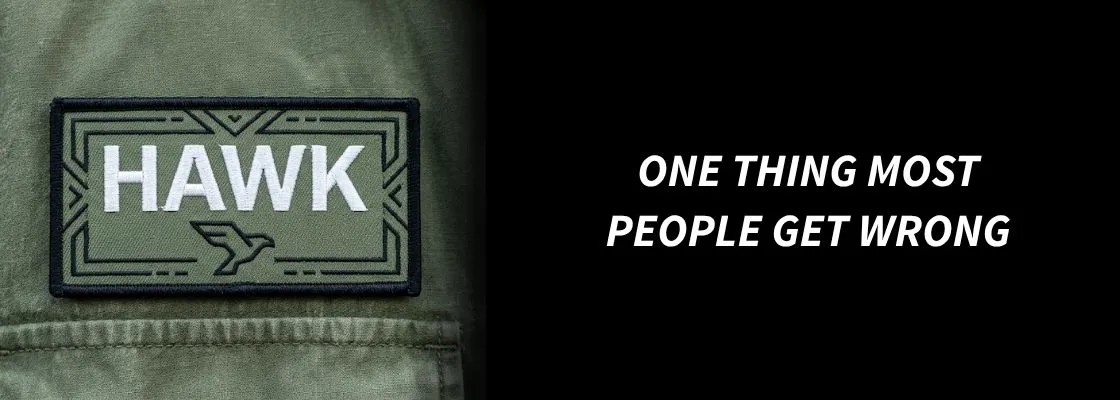
    One Thing Most People Get Wrong

    One Thing Most People Get Wrong

    They focus only on design.

    Font, color, layout… all that. But ignore the material.

    And then the patch arrives and feels off. Either too flat, too cheap, or just not what they imagined.

    Good customized name patches are not just about how they look on screen. It’s how they feel in real life.

    That’s why working with someone experienced helps. Someone who tells you “this design works better as woven” instead of just printing whatever you send.

    If you’re planning patches for uniforms, staff, or merch, you can check out Quality Patches. They help you choose the right material based on your actual use, not just design.

    Makes the whole process easier, honestly.

    Mixing Styles (Underrated Trick)

    Here’s something not many people do.

    You can combine styles.

    Like:

    • Woven name + embroidered border
    • Leather patch + stitched backing
    • PVC base + Velcro backing

    This gives you the best of both worlds. Better look, better performance.

    Many businesses use this for customized name patches in uniforms so names stay clear but patches still feel premium.

    Wrap up!

    Choosing the right patch isn’t complicated. It just needs a little thought.

    Customized name patches can look basic or they can look amazing. The difference comes from material and style.

    Pick what fits your use. Not just what looks good in a mockup.

    And if you want patches that actually come out the way you expect, it helps to work with people who know what they’re doing. You can explore options at Quality Patches and get something that looks right, feels right, and lasts.

    Because at the end of the day… it’s a small patch. But people notice it more than you think.

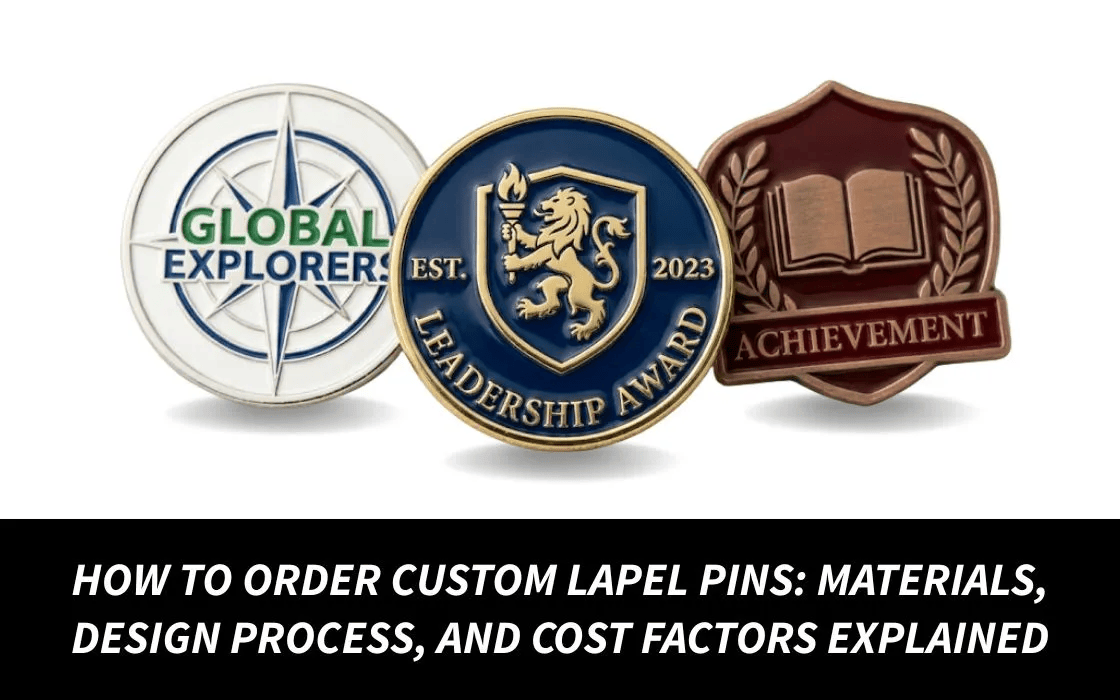
  • How to Order Custom Lapel Pins: Materials, Design Process, and Cost Factors Explained

    How to Order Custom Lapel Pins: Materials, Design Process, and Cost Factors Explained

    By 2026, lapel pins are more than just “swag.” They serve as physical anchors to support an organization’s digital brand strategy and highlight the corporate identity, within both the physical environment and the virtual world.

    The corporate gifting industry, valued at $1.24 trillion is growing, and in response to the challenge of “remote work invisibility,” organizations are looking to wearable items to ease communication in the virtual world. In the light of this contemporary pattern, traditional pin designs are losing their usefulness.

    Today’s brands place a higher value on purpose-driven, significant designs, which provide memorable reminders of a company’s achievements, community, or shared values.

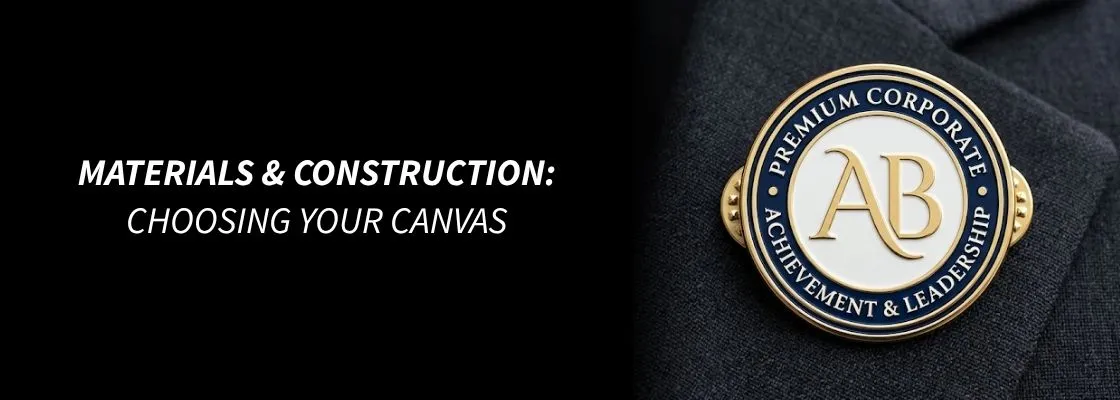
    Materials & Construction_ Choosing Your Canvas

    Materials & Construction: Choosing Your Canvas 

    Understanding how custom lapel pins production works will help you choose a prime quality and stylish product. The varieties of materials include:

    1. Hard Enamel – Considered the highest quality pin, hard enamel pins are smooth with a flat surface and are made from jewelry-grade Gold or Silver. Hard enamel material shows durability and is suitable for executive branding.
    2. Soft Enamel – These pins have dipped paint, giving them a textured feel, and can be used with lively colors or as collectible items, like “Pop Mart” pins.
    3. Die Struck (Metal Only) – Super simple look in metal offers a very simple look.


    Eco-Metal Standard (Trend for 2026) – Many Brands are upgrading their pin production processes with recycled metals from Zinc/Iron. The combination of VOC-free and water based enamel meets ESG (environmental, social, and governance) goals. So, both types of material become sources of delight and turn out to be guilt-free for Eco-conscious buyers!

    The right material for your lapel pins impacts style, endurance, and brand image, making your pins not only memorable but a means of sustainability in 2026.

    The “Physical” Pin: Bridging Physical and Digital 

    Unlocking ROI with NFC and QR Integration

    Lots of people will tell you that a custom lapel pins is just for a decorative accessory.  However, pins can be more than an accessory, they can link to the digital space as well.

    You can attach an NFC tag to each pin, which calls for quick one-tap check-in to events or rapid access to web pages or apps. You could also place hidden QR codes on the back of each pin. Therefore, this will direct your customers to videos, promotions, or unique content.

    These pins which link physical and digital items increase customer engagement, as well as create measurable impact. In fact, physical merchandise increases engagement than static merchandise.

    By adding these two items to your lapel pins you can take a simple pin and convert that pin to an influential means for marketing and tracking.

    Kinetic Design: Movement as a Brand Experience 

    Nowadays, brands use kinetic pins, which include spinners, sliders, and hinged designs. They go beyond simply being fun.

    In fact, they can help employees stay engaged during online meetings and during long working hours by providing a solid sensory experience.

    As well as being fun, they serve as wellness tools that can help relieve stress and improve focus.

    Movement in pins is now being used by brands to create memorable experiences, so all lapel pins have now become an interactive mini-marketing experience.

    Anatomy of the Pin: Backings & Modern Finishes 

    Modern pins have moved beyond just gold and silver plating. 2026 will bring a new trend of black nickel and a matte versus shine finish. So, for a glossy modern appearance, use matte black metal with high-gloss enamel!

    Pins are now using magnetic backings instead of butterfly clutches. This is most useful for delicate fabrics such as designer blazers. The rise of “Brooch Core” is trending these days.

    The new backing styles are not just for the purpose of wearing a fashionable pin, but they also improve the value and durability for premium branding campaigns.

    Near-Shoring vs. Offshoring in 2026 

    Near-Shoring is desirable for prototyping because it allows for speedy supplies of smaller quantities of around 10 days and lowered carbon impact.

    For instance, if a pin is being sourced for the U.S. it would be nicer to find a producer in Mexico, Turkey for the EU or another neighboring country.

    Off-Shoring lets manufacturers produce very large quantities of pins. It usually takes nearly 8 weeks to receive deliveries due to shipping laws and international logistics from Southeast Asia as it is the main country of production.

    As long as companies are choosing their manufacturing approach based on speed vs. size vs. sustainability, it becomes convenient to pick an economical strategy.

    Cost Factors: Decoding the 2026 Quote 

    The following components have an impact on the cost of the custom lapel pins:

    • Mold Fee: This is a single time fee for designing a custom die for the company.
    • Volume Pricing: The more you order the less the price per piece (unit price). For example, a 50 pin order would cost $4.00 each but if you ordered 500 pins, the per pin cost is only $0.90.
    • Sustainability Premium: Using Eco-Metal materials will add only 5-8% to your total cost depending on new recycling practices and efficiencies of scale.

    In understanding these items, brands can plan for their budgets successfully and can prevent unexpected budgeting problems.

    The Ordering Roadmap: From Brief to Unboxing 

    Step 1 – Submit Vector Artwork

    Sending your pin design in a digital format is mandatory for accuracy in both design and production. Usually, vector files are typically ideal over raster files. Vector files offer details, color uniformity, and accurateness during the enamel fill, plating, and overall production processes. Vector files should come with clear color codes and layouts for exact representation of your design from the maker’s viewpoint.

    Step 2 – 3D Digital Proof

    The manufacturer will create a 3D digital mock-up before producing an actual version. The 3D digital visual symbol allows you to visualize your pin from all angles (color, metal outline, shape, etc.). At this point, you can request slight changes without experiencing any expenses relevant to manufacturing.

    Step 3 – Physical Sample

    A physical sample of your pin is meant to determine the size, enamel quality, plating finish, and backing type of your physical sample pin. It is vital to make sure your pins are up to your company’s branding standards and expectations.

    Step 4 – Bulk Production & Delivery

    After you approve the sample, the manufacturer will manufacture your complete order. Then, mail you your pins so you can utilize them.

    Why Does This Roadmap Matters

    Why Does This Roadmap Matters?

    Following this series of steps will help guarantee that:

    • Your pins are of premium quality
    • Reduce the chances of errors
    • Help to make it easy for you to create the final product aligning with your vision and branding mission.

    To Wrap Up

    Today, a lapel pin is more than just a small piece of jewelry. It can be used for branding purposes, to engage with customers, and to tell your company’s narrative. A  good design will not only catch attention but also spark an interest in the company and its product. Moreover, the pins will act as digital keys because lapel pins can integrate NFC or QR code technologies.

    Lapel pins can now reflect a company’s devotion to sustainability by using eco-metal and VOC-free enamels time after time. It shows customers’ that their companies are sensitive about the impact they have on the Earth.

    Pins can have kinetic designs that create physical experience for users or be purpose driven pieces of art. In such a case, a custom lapel pins can communicate the company’s vision and communicate it in a meaningful manner.

    Are you interested in designing a custom lapel pin that stands out? Contact us to get assistance with creating a design brief and in selection of materials, design options etc.

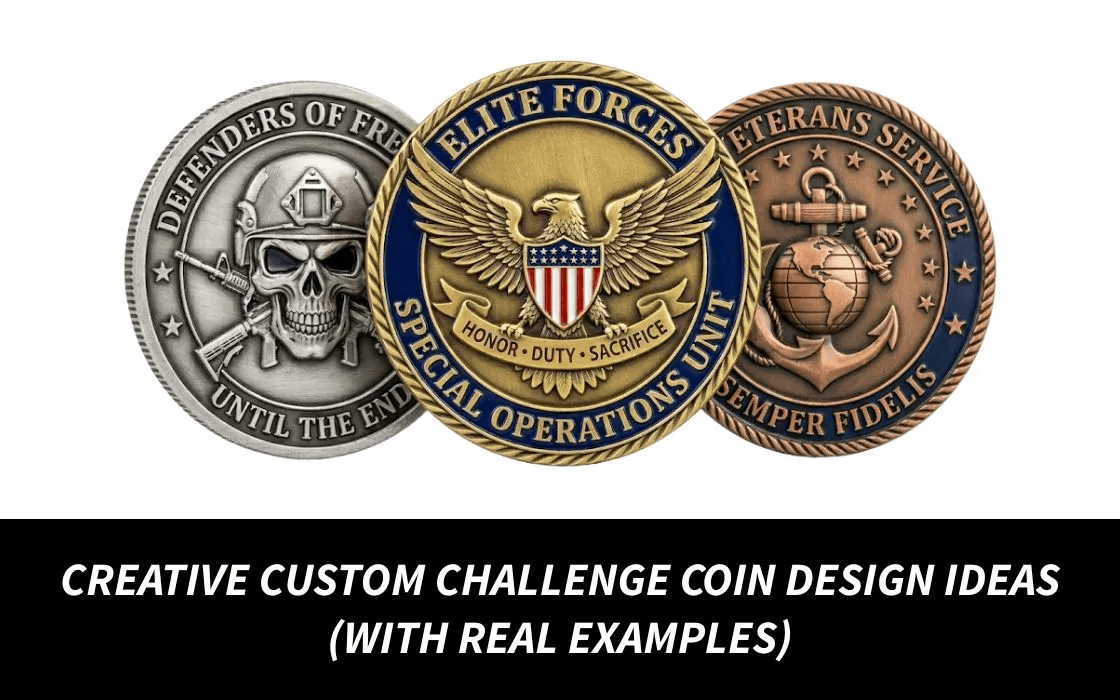
  • Creative Custom Challenge Coin Design Ideas (with Real Examples)

    Creative Custom Challenge Coin Design Ideas (with Real Examples)

    Custom challenge coins are physical tokens that have a lot of emotional value, creating a feeling of success, belonging, and distinctiveness for members of an organization or group. The coins create lasting memories when given to members of military units, companies, and community organizations.

    Many companies designing their own challenge coins do not tap into this emotional viewpoint of the challenge coin. As a consequence, many challenge coins fail to link with their recipients and be remembered long after.

    When creating a custom challenge coin, it is necessary to have the right design and creativity. Challenge coins utilizes a variety of design perceptions, materials, and tips.

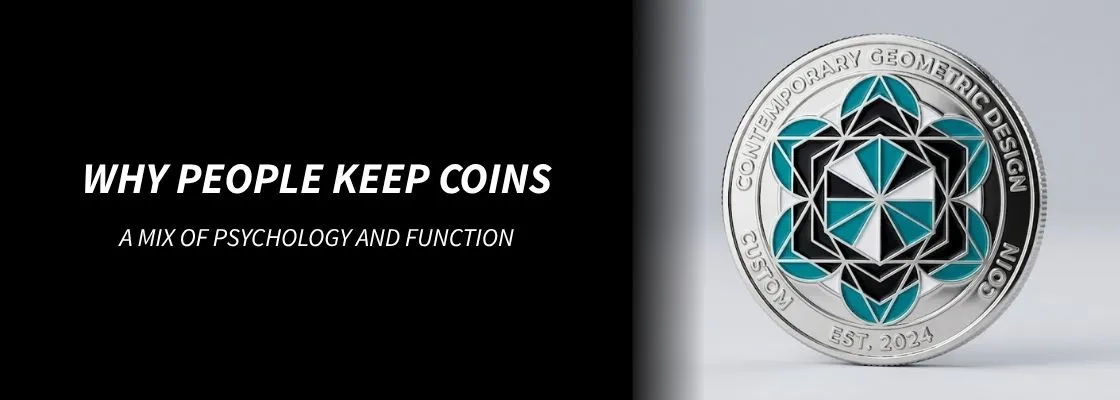
    Why People Keep Coins

    Why People Keep Coins: A Mix of Psychology and Function 

    People keep challenge coins because they are concrete and denote something meaningful. This type of physical bond between a person and a challenge coin makes it even more valuable.

    Another factor that adds to the coin’s value is the customization of the challenge coin. When a challenge coin has a team logo, a mission, or achievement on it, the recipient can recall receiving the coin.

    Recognition is also an important factor in deciding the value of a challenge coin. It generally indicates that the recipient’s effort and/or service were valued.

    In time, these coins evolve into keepsakes. They signify not just objects, but also memories, pride, and a sense of belonging.

    Materials & Manufacturing: Making Your Coin Durable and Unique 

    Picking the right custom challenge coin materials is fundamental for both quality and appearance. Common metals used for challenge coins are zinc (lightweight, and economical), brass and nickel (both stronger and more costly than zinc).

    Challenge coins can also be manufactured using several procedures. Die struck coins have been stamped out of metal and have very sharp and crisp images. On the other hand, die cast coins are molded out of metal into a specific shape. They can be used efficiently for more complex shapes than die struck coins can be.

    Both the manufacturing process, along with the type of paint or enamel used in the decoration of your custom challenge coin, offer a variety of options. Soft enamel paints create a textured surface while hard enamel paints have a smooth quality.

    There are many other techniques to create a stunning and unique challenge coin with the finishing options you select. For instance, if you use 3D sculpting on your business challenge coin, it can create the appearance of depth to your logo, which will enrich the aesthetic appeal.

    Design Ideas: Shapes, Colors, and Layouts 

    How well a coin’s design will stick in your memory is a vital element of its design. When creating custom coin designs, one of the major things you should think about is the shape and size of the coin.

    In general, coins are shaped in a round fashion. However, tailored die-cut designs can also create specialty coin sizes and shapes. Custom challenge coins with shapes such as shields, badges, and logos can add to the coin’s purpose and how well it symbolizes that purpose.

    The type of finish (polished vs. matte), texture (i.e., shiny vs. non-shiny), and color choice of the coin will also impact the whole personality of the coin. For example, using bright multi-colored enamel paint to bring out main design features.

    Choosing the right color scheme for the coin will also impact on the finished product being visually appealing as well as looking balanced.

    A critical factor in revealing how readable and recognizable a coin will be is the way in which logos, text, and images are set on the coin.

    For example: A nonprofit organization may have a coin that has a symbol or small icon indicating its several achievements and/or milestones. So, it becomes a meaningful memorial piece of something the organization has achieved.

    Real Examples from Military, Corporate, and Events

    Many organizations and entities use challenge coins, and their design in general achieves the purpose of the coin as well as the audience for which it is made.

    Assessing actual examples of challenge coins can spur new ideas for significant, creative challenge coins.

    The following examples show how different groups have used challenge coins for identification, branding, and/or special events.

    Type Purpose Design Example
    Military Coins Honor the service of members, foster team unity, and honor major events, missions, anniversaries or otherwise. A coin can show your unit’s insignia as well as your unit’s motto and other Images/Symbols demonstrating your unit’s history / traditions.
    Corporate Coins Acknowledgement of an employee; Celebrating anniversaries of the company; Recognizing the success of a product launch. A company-issued coin may exhibit the Company’s logo, in 3-d, with the actual year of product launch along with a motivational saying.
    Event Coins Limited edition designs can be used for fundraising functions and Company Anniversary ceremonies or Conference ceremonies, as well as fundraisers. This type of custom challenge coin for a distinct occasion may have the date of event, name of event; also, colors indicating the theme of the special event.

    Expert Design Tips 

    • Keep It Balanced: The design needs to maintain its original classiness because the combination of basic elements and critical details creates an improved appearance which tells an entire story. It becomes challenging to identify when there are excessive design elements. 
    • Add Personalization: The coin receives emotional value through its personal elements which involve a date and motto and symbol. 
    • Focus on Durability: The coin needs strong metal selection together with excellent plating and finishing materials to achieve long-lasting durability which maintains its novel look for many years.
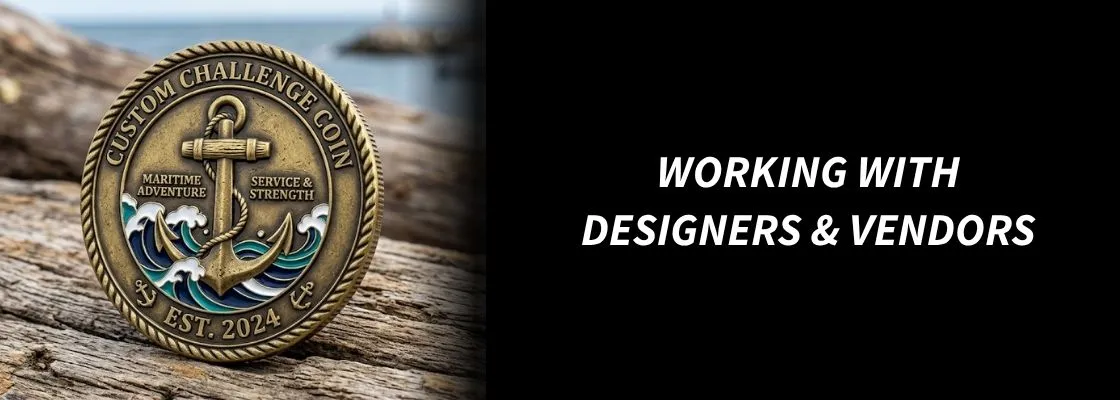
    Working with Designers & Vendors

    Working with Designers & Vendors

    • Choose the Right Vendor: The Right Vendor selection process needs assessment of custom coin designers who have industry expertise and who have delivered reliable service. They offer commitment to quality work, clear communication and proven track record of success. 
    • Collaborate on the Design: The designer needs to create your coin design after you provide them with your sketches, inspiration, logos and brand story information.


    Start Your Own Design: Work with expert designers and begin crafting your own custom challenge coin today.

    Conclusion: Make Coins That Last 

    Creating a memorable custom challenge coin means merging accurate design, high-quality materials, and a clear purpose. Coins that balance simplicity, personalization, and durability become more than just symbols, they become valued mementoes that tell a tale and honor accomplishments.

    Ready to make your own custom coin? Contact us and explore expert design services to begin crafting a coin that people will proudly keep!

    FAQs: Custom Challenge Coins

    1. How much does it cost to design and produce a custom challenge coin?

    The cost of creating and producing a custom challenge coin will range from, on average, $3-$5/coin for simple enamel coins, whereas complex coins (3D sculpted and/or die-cut) with more expensive finishing (plating) cost $10-$20 + each. Size, complexity of design and quantity impact the cost.

    1. How long does it take to create a custom challenge coin?

    The time required to design and create a custom challenge coin ranges from around two (2) to six (6) weeks. The specific design requested, vendor’s project workflow and how long it takes to ship impact the time required.

    1. Can I include personal or small details on my coin without affecting quality?

    Yes. However, you must keep in mind the readability and limitations of the coin when seeing the size of your text. Small wording and complex designs might need a larger coin or depth in your 3D sculpts to still be readable. Please discuss with a certified vendor for advice on size, relief height and enamel position.

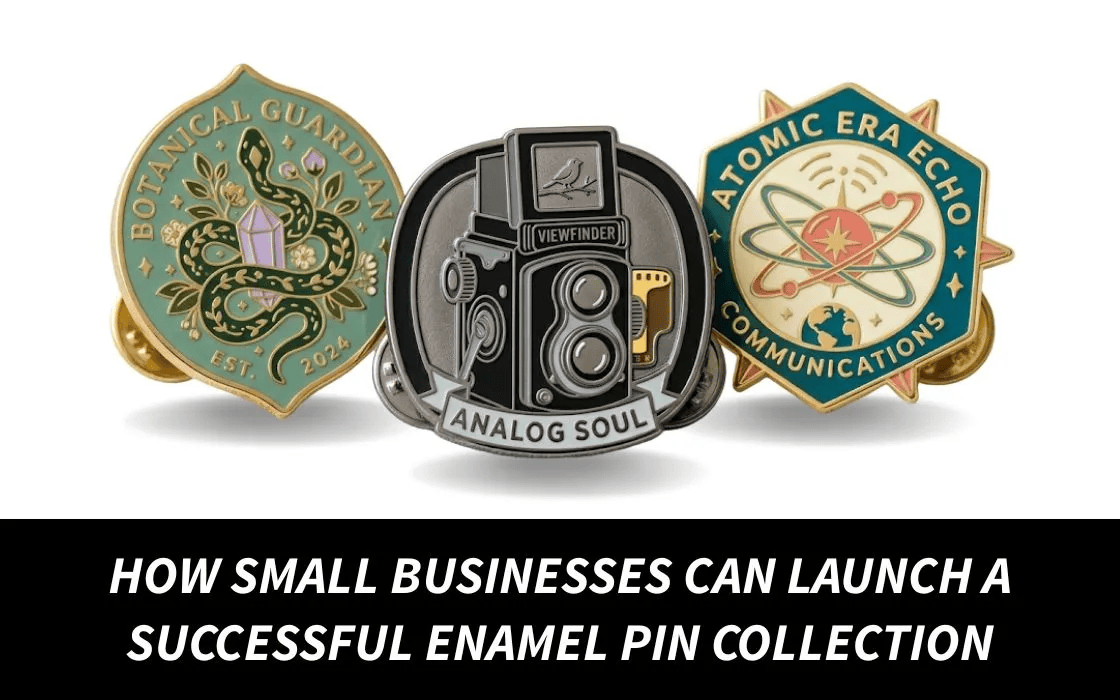
  • How Small Businesses Can Launch a Successful Enamel Pin Collection

    How Small Businesses Can Launch a Successful Enamel Pin Collection

    Running a small business is… hard. Everyone’s competing. Everyone’s shouting for attention. You need something that sticks. Something small but memorable.

    That’s where enamel pins come in.

    Tiny. Collectible. Surprisingly powerful. They’re more than a decoration. They’re a way to tell your story, show your style, and even build loyalty. And yes, they can bring in extra revenue if you do it right.

    But I get it. Launching a pin collection can feel overwhelming. Designs, materials, packaging, pricing… it piles up fast. Don’t worry. I’ll walk you through it.

    Why Enamel Pins Are Perfect for Small Businesses

    Here’s the thing. Pins are small. Cheap to produce. Easy to sell. Yet they punch way above their size.

    • Affordable branding: You don’t need a giant budget. Pins are compact, cost-effective, and your customers see them everywhere.
    • Collectibility: Limited editions make people excited. They want to grab one before it’s gone.
    • Versatility: Pins go on jackets, bags, hats, lanyards… even shoes. Your brand travels with them.

    A well-crafted enamel pin makes people feel like they own something special. Personal. Memorable.

    And if you want your pins to look great and last, professional production is key. Experts like Quality Patches help small businesses make pins that actually impress. Not the flimsy ones that bend or fade.

    Step 1: Nail Your Design

    Design is everything. People don’t buy pins because you tell them to. They buy them because they look good.

    • Shape: Circle, square, die-cut… even unique custom shapes.
    • Colors: Bold but balanced. Too many colors can mess up production.
    • Details: Tiny details are cool, but too many can get lost in enamel.

    Pro tip: mock it up digitally first. Even a rough draft helps you see if it reads well at actual pin size.

    Your design is the first thing people notice. Make it count.

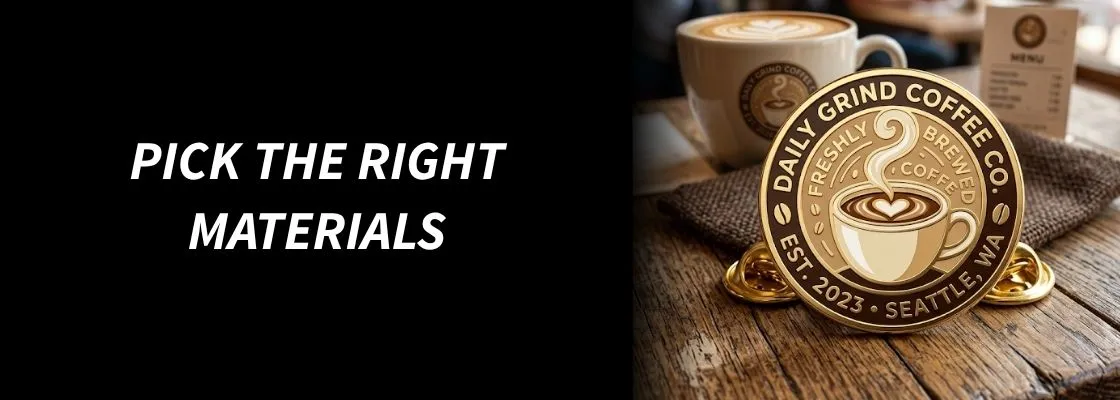
    Pick the Right Materials

    Step 2: Pick the Right Materials

    Not all enamel pins are the same. There’s soft enamelhard enamel, gold or silver plating…

    • Soft enamel: Cheaper, slightly textured, great for colorful designs.
    • Hard enamel: Smooth, polished, premium look, durable.
    • Backing: Butterfly clutch, rubber clutch, magnetic… pick what fits your audience.

    Quality materials make a difference. Cheap pins bend. Colors fade. A good enamel pin lasts and feels like a keepsake.

    If you want reliable production, work with pros. I recommend Quality Patches. They’ve done pins for small businesses and know how to make them look premium.

    Step 3: Packaging Matters

    Pins are tiny. Packaging is your chance to impress.

    Even a simple card with your logo makes it feel professional. Add your brand story. Limited editions or seasonal designs add hype.

    Eco-friendly packaging is a plus… people notice. It shows care.

    Good packaging makes people excited to give or wear the pin. And excited customers tell friends. That’s marketing without spending extra.

    Step 4: Price Smart

    Pricing is tricky but crucial.

    • Include production cost, packaging, and shipping.
    • Research similar pins online. Most small business pins sell around $8–$15.
    • Limited editions? Charge a little more. People pay for exclusivity.

    The key: balance affordability with perceived value. Customers feel like they’re getting something worth it… but you still make a profit.

    Step 5: Market Your Collection

    Even the best pins won’t sell if nobody sees them.

    • Social media: Instagram, TikTok, Pinterest. Pins are visual, perfect for sharing.
    • Bundles: Add pins to existing products. Boosts average sale.
    • Events: Local fairs, pop-ups, or conventions. Small, lightweight, easy to sell.
    • Online store: Make them easy to find, add to carts.

    Marketing pins doesn’t need to be complicated. Just get them in front of people.

    Step 6: Listen to Customers

    Feedback is gold.

    • Which designs sell fast?
    • Which colors are favorites?
    • Are people buying singles or sets?

    Use this info for your next batch. People love when their suggestions influence products. It builds loyalty. Loyal customers come back.

    Step 7: Keep Your Collection Fresh

    Pins are collectible. People want something new.

    • Limited editions, seasonal releases, collaborations.
    • Special sets, bundle deals, or even mystery pins.

    Fresh collections keep your audience engaged. They’ll check your store regularly. And when pins are high-quality, they brag about them on social media. That’s free exposure.

    If you want enamel pins that pop and last, professionals like Quality Patches can help turn your designs into reality.

    Think Beyond the Pin

    Step 8: Think Beyond the Pin

    Pins aren’t just merch. They’re part of your brand story.

    • Use them as giveaways.
    • Reward loyal customers.
    • Include them in subscription boxes.

    Small gestures like that turn casual buyers into superfans. And superfans promote your brand without you asking.

    Small Detail, Big Impact

    Here’s the secret. Customers notice small details more than big banners.

    A pin with sharp colors and clean edges says: this brand cares.
    A pin that feels cheap says: meh, whatever.

    Even one tiny pin can shift perception. Suddenly, your small business feels professional. Intentional. Worth following.

    Wrap up!

    Launching an enamel pin collection might feel intimidating. But it doesn’t have to be.

    • Nail your design.
    • Pick quality materials.
    • Package it well.
    • Price smart.
    • Market consistently.
    • Listen to your customers.

    Pins are small, but their impact is huge. They boost brand identity, create loyal fans, and add a collectible element that people love.

    If you want enamel pins that actually make your business look premium, durable, and memorable, start exploring custom options at Quality Patches. One little piece of metal and enamel can make a big difference.